
Public Lecture: Nikolaj Schultz
On The Ecological Class Struggle –
With Special Attention to the Role and Responsibility of Architecture in our New Climatic Regime
A Public Lecture by Nikolaj Schultz.
Moderation: Susann Ahn, Ariane Sept & Rudolf Scheuvens.
14.04.2026 | 17:00–19:00 Prechtlsaal (Karlsplatz 13, Stiege, 1 EG) TU Wien
Nikolaj Schultz (DK), sociologist, PhD, Assistant Professor of Social Theory and Ecological Thought at Aarhus School of Architecture, is one of his generation’s leading figures in the social sciences. His work explores the intersection of sociology, existentialism, politics, and the climate crisis. Schultz was a close collaborator of the late French philosopher Bruno Latour (1947–2022), with whom he co-authored "On the Emergence of an Ecological Class: A Memo" (2022), translated into 16 languages. The book calls for the creation of a political class focused on safeguarding planetary habitability.
Schultz’s latest solo work "Land Sickness" (2023), a hybrid auto-ethnographic essay, delves into the existential and sociological questions posed by the Anthropocene, translated into 9 languages. Schultz innovative approach has resonated with both academics and artists, marking him as a significant emerging voice in ecological, sociological, and artistical discourse. He is acclaimed by leading intellectuals such as Dipesh Chakrabarty, Clive Hamilton and Slavoj Žizek, and his ideas have inspired artist George Rouy, art critic and curator Hans Ulrich Obrist, and the band Fontaines D.C. In a recent profile on Schultz work, Die Zeit recognized him as “The New Star of Sociology”.
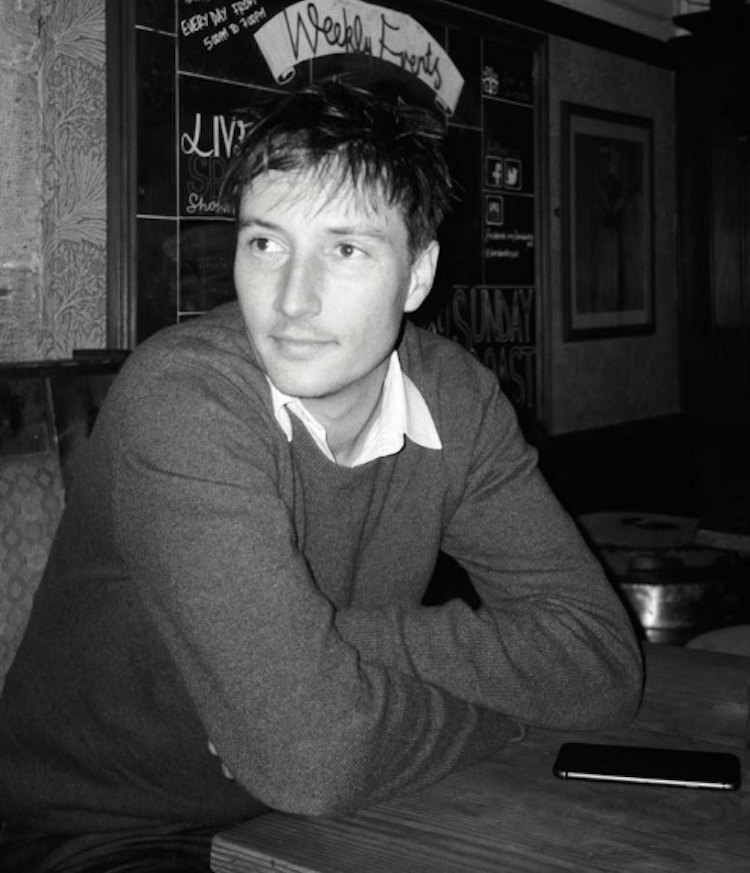
Photo of Nikolaj Schultz © Niels Rysz Olsen

About the Book:
"On the Emergence of an Ecological Class: A Memo"
Written by Bruno Latour and Nikolaj Schultz
The catastrophic consequences of our actions on the natural world are now well known. Yet emissions continue to rise. The warnings of young activists often seem powerless in the face of the mantra of economic growth. And whilst masses were once mobilised in the name of freedom and equality, climate protection is now creating new divisions. One need only think of the ‘Yellow Vests’ protests in France.
For Bruno Latour and Nikolaj Schultz, one thing is clear: just as the working class once fought for social progress, an ecological class is needed today to halt climate change. Whereas movements such as Fridays For Future and local organisations often act in isolation, the sociologists advocate a policy that places the protection of our natural resources at the heart of joint efforts. The history of humankind, as Marx and Engels put it, is the history of class struggles. Unless an ecological class emerges, say Latour and Schultz, humanity will have no future.
